




The UK offers special VAT schemes to help small businesses simplify VAT reporting and improve cash flow. Standard VAT Accounting SchemeThe most common scheme where businesses charge VAT on sales and reclaim VAT on purchases, submitting VAT returns usually quarterly.
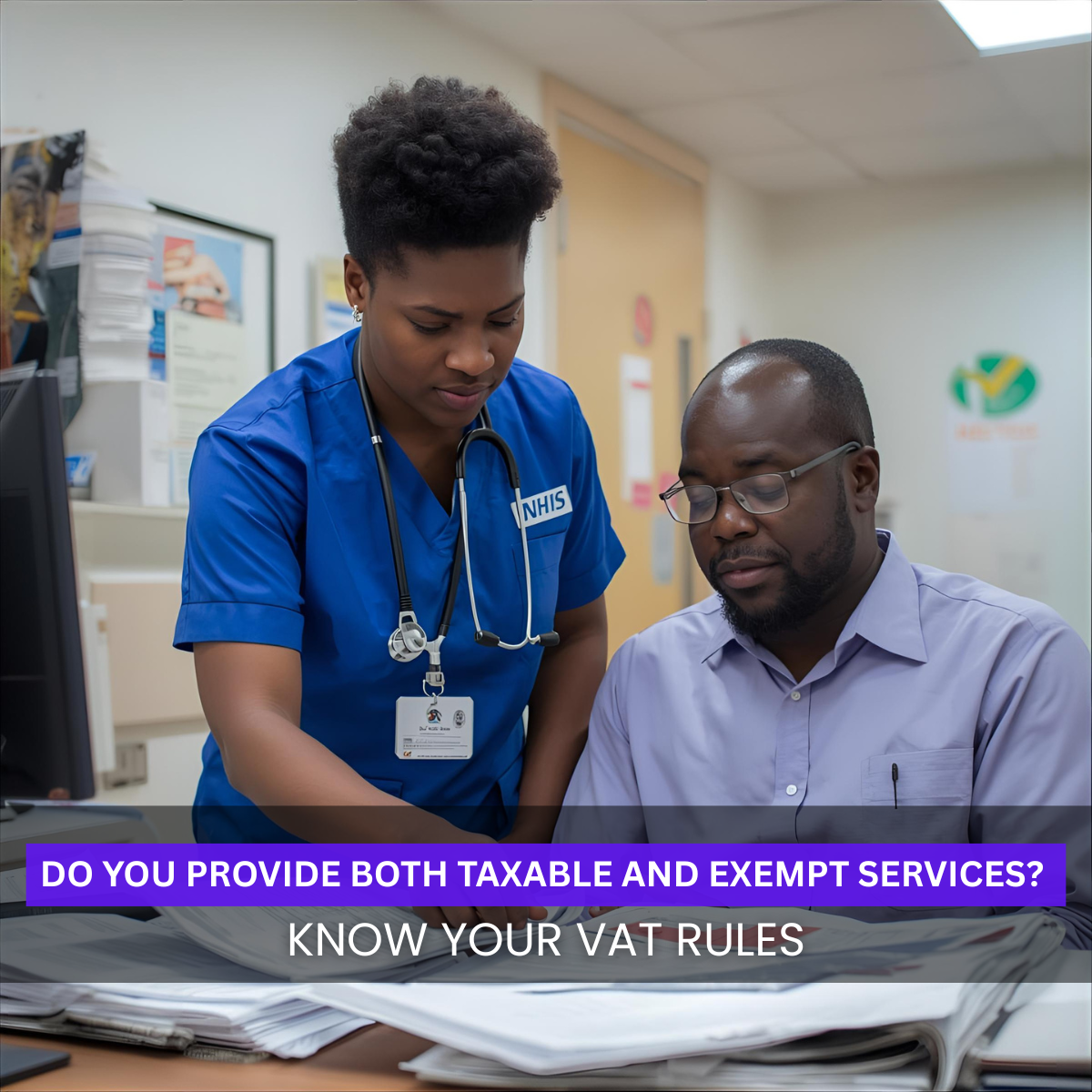
Some businesses provide both taxable and exempt services. This is common in sectors like finance, education, property, and healthcare. If you supply both, you are considered partially exempt — meaning you can only reclaim some of the VAT you pay on expenses. How it works: Annual AdjustmentAt the end of your VAT year, HMRC requires […]
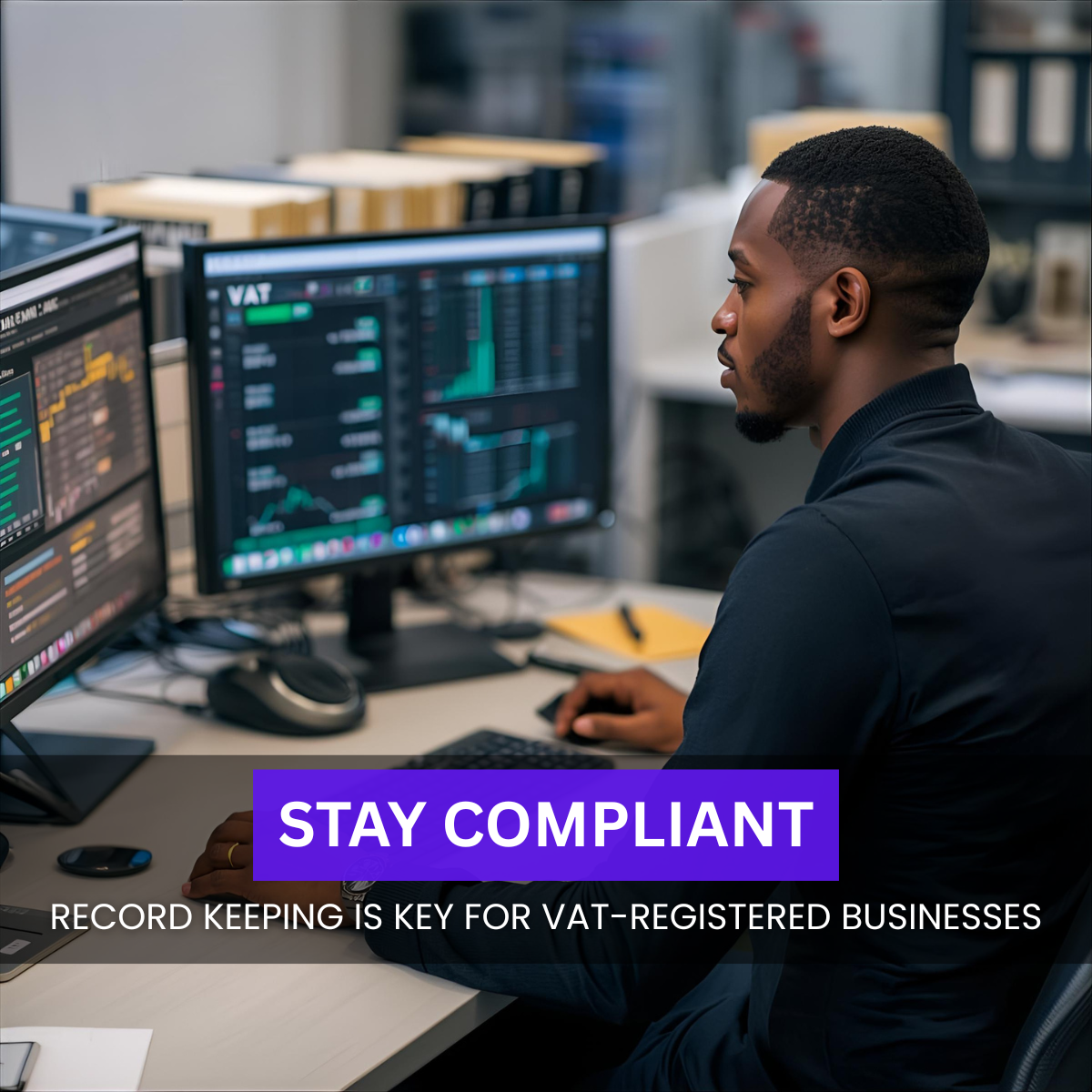
VAT-registered businesses must keep proper records to meet HMRC requirements. You must keep: Record retention:You must keep VAT records for at least 6 years.Digital records are required under Making Tax Digital (MTD) rules unless HMRC grants an exemption.
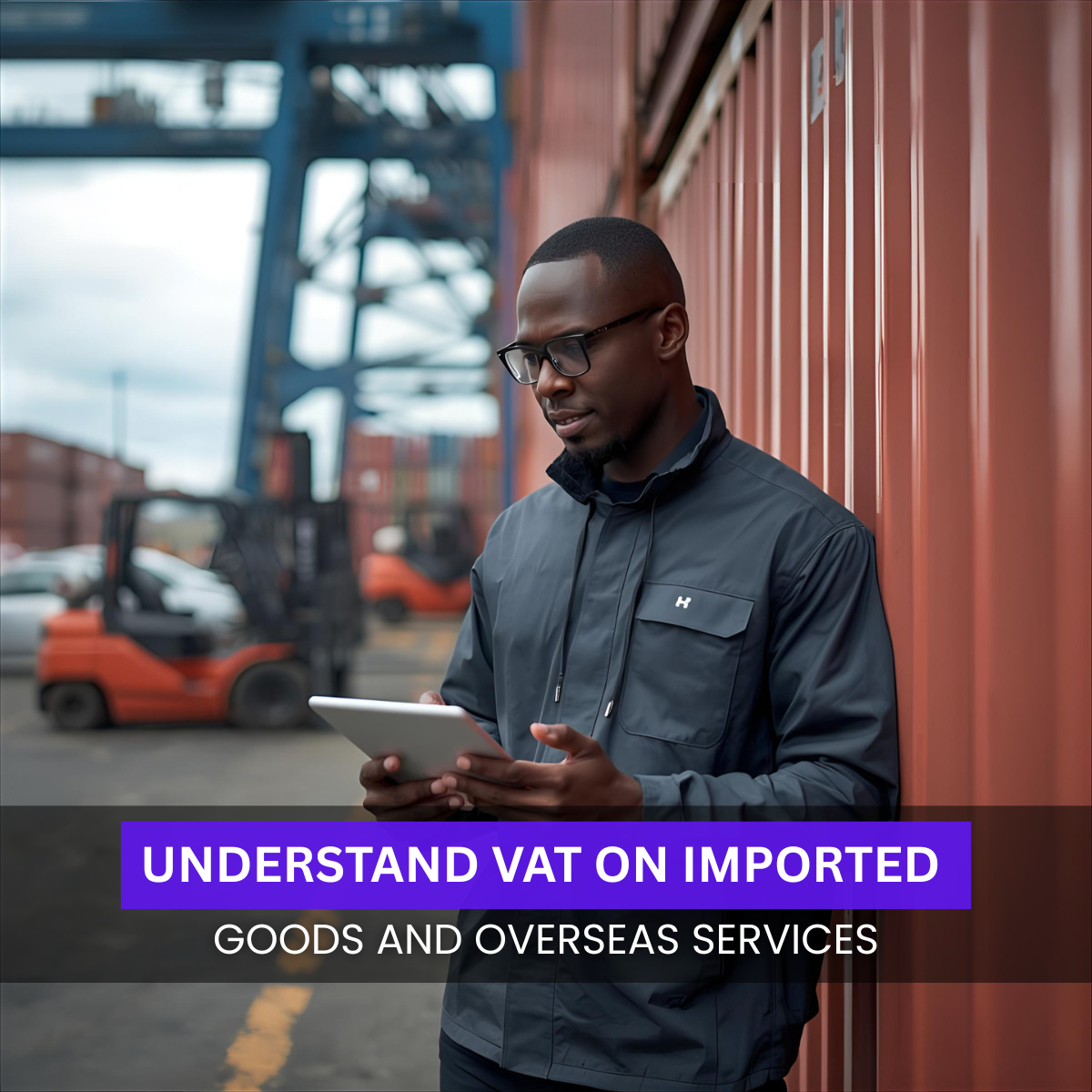
When your business imports goods or receives services from overseas, special VAT rules apply. Imported goods Imported services Important: Keep all documentation for imports and overseas services and ensure your accounting system handles reverse charge correctly.
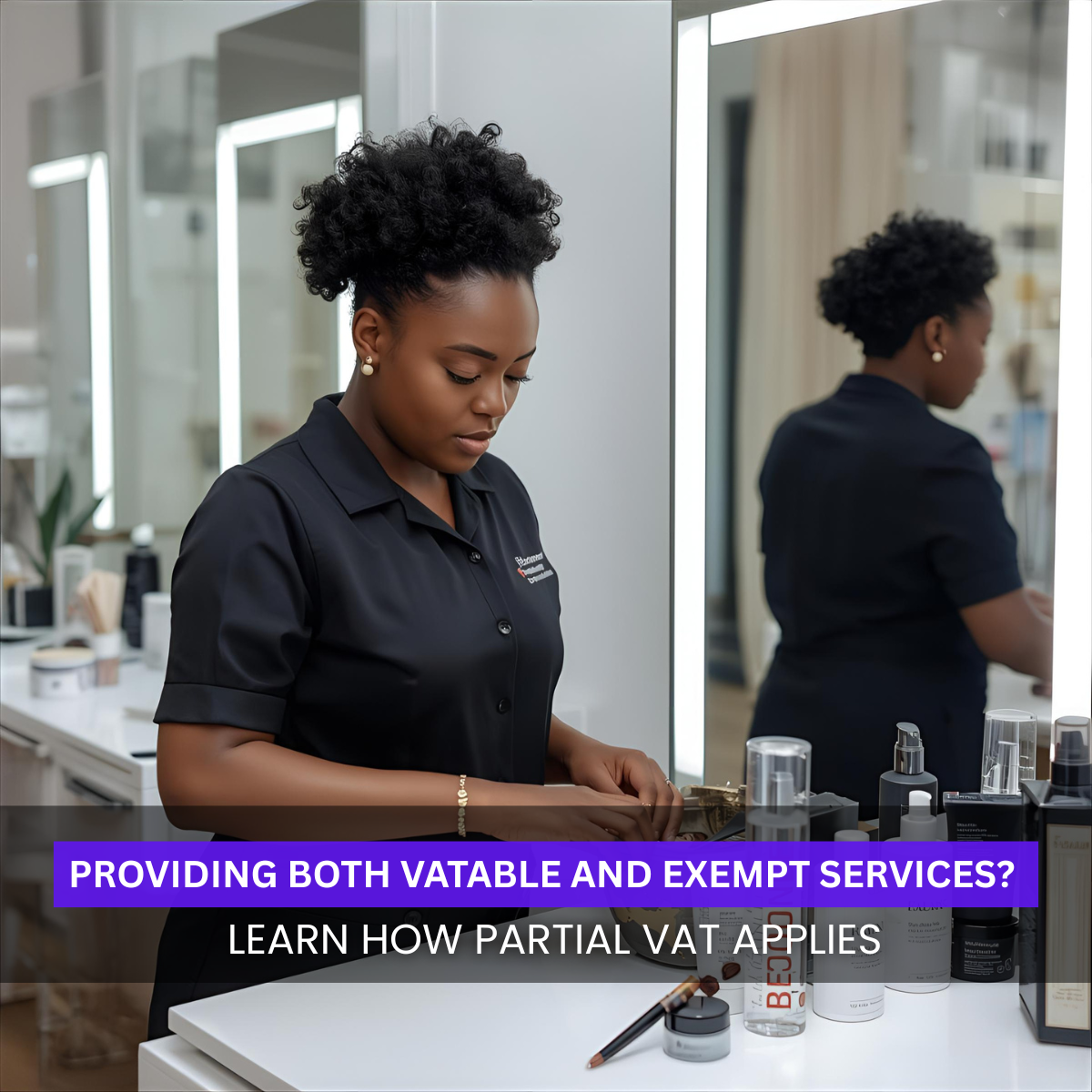
Many UK businesses supply a mix of taxable and exempt goods or services. This falls under partial exemption rules. You must register for VAT if your taxable turnover exceeds £90,000 in a rolling 12-month period, or you expect to exceed this threshold within 30 days. This assessment is done excluding the exempt turnover Important notes: […]
Some supplies of goods or services are exempt from VAT, meaning you do not charge VAT on them and they do not count towards the VAT registration threshold. Common exempt services include: Key takeaway:If your business only supplies exempt items, you normally do not need to register for VAT because you’re not making taxable supplies […]
Understanding VAT for Small Businesses Businesses act as tax collectors for HMRC by charging VAT on their sales (output tax) and reclaiming VAT on eligible purchases (input tax). Getting VAT right is essential for both compliance and cash flow management. Moreover, understanding when to register and how to file correctly helps you avoid penalties and […]

Corporation Tax Filing and Payment Deadlines All limited companies must file a Company Tax Return (CT600) every year. Penalties for Late Filing or Payment HMRC imposes penalties if your filing or payment is late or incorrect: Maintaining accurate and timely records helps ensure compliance and prevents unnecessary fines.
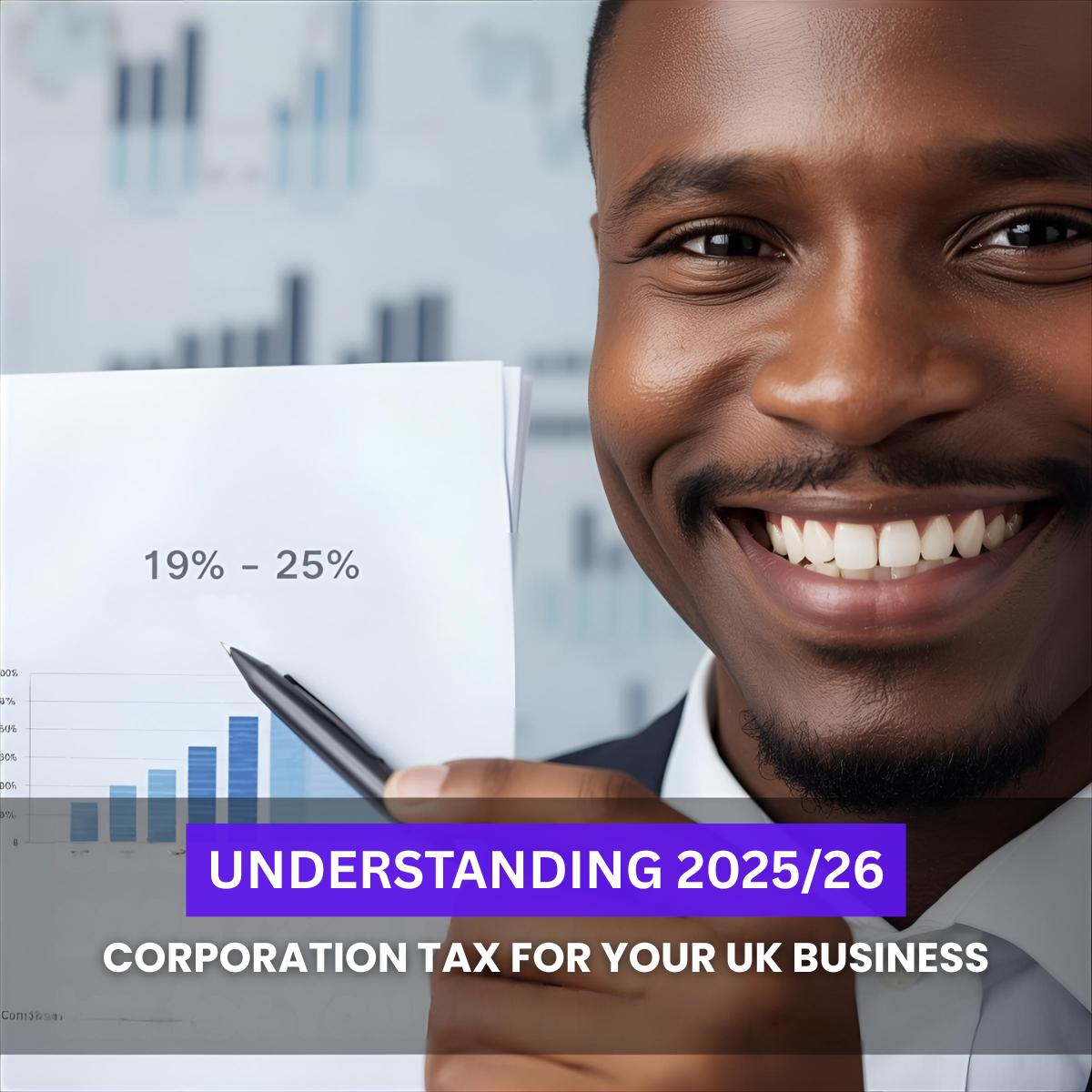
Corporation Tax Rates for UK Companies (2025/26) Corporation Tax is the main tax paid by UK limited companies on their taxable profits. Whether you’re a small business or a large enterprise, understanding how the 2025/26 Corporation Tax rates apply helps ensure compliance and efficient tax planning. Corporation Tax Rates for 2025/26 As of April 2025, […]

Individual Savings Accounts (ISAs) remain one of the most tax-efficient ways to save and invest in the UK. Basic ISA Allowances for 2025/26 Types of ISAs