



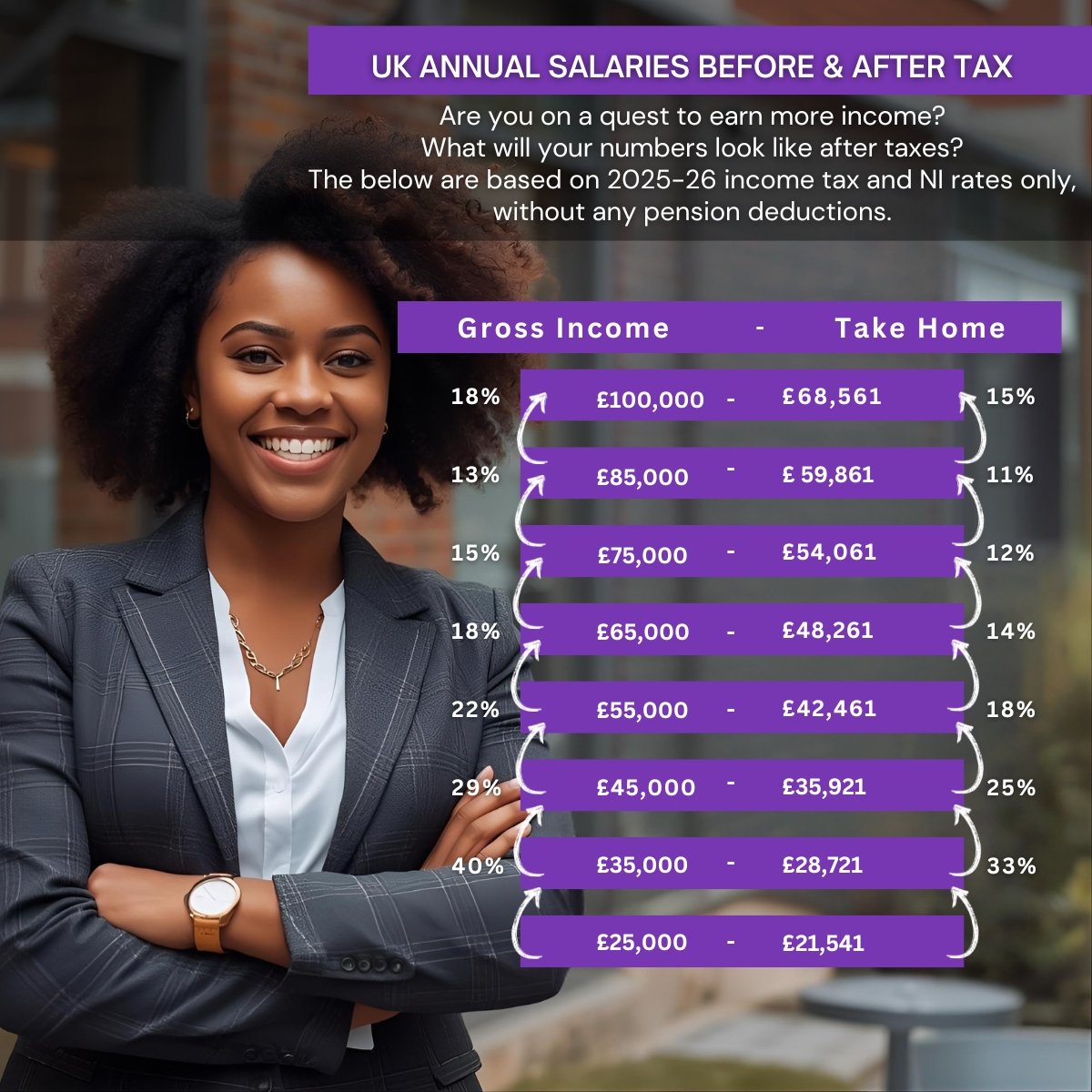
When we talk about salaries, it’s easy to focus on the big number—but what really matters is what you take home after tax. With income tax and National Insurance (NI) contributions deducted, your actual spending power can look quite different. Below is a clear breakdown of UK annual salaries for 2025–26 (excluding pension deductions), showing […]

Financial knowledge/literacy simply means understanding how money works in everyday life. You don’t need to be an expert, but having the basics makes a big difference. Remember: the more you learn, the more confident you’ll feel making financial decisions.

Have you ever felt that there are no pension options when you are no longer full-time employed? Although workplace pensions are the most common way of contributing towards your pension, private schemes are also available and can provide flexibilities to enjoy. NEST is one of the safe pension schemes that support the self-employed with their […]

HMRC have released an important guidance to educate contractors on the nature of tax avoidance schemes being run by umbrella companies. Umbrella companies that encourage taxpayers to use tax avoidance schemes often move workers between different umbrella companies to hide the tax avoidance from HMRC. HMRC does not approve or endorse umbrella companies or tax […]
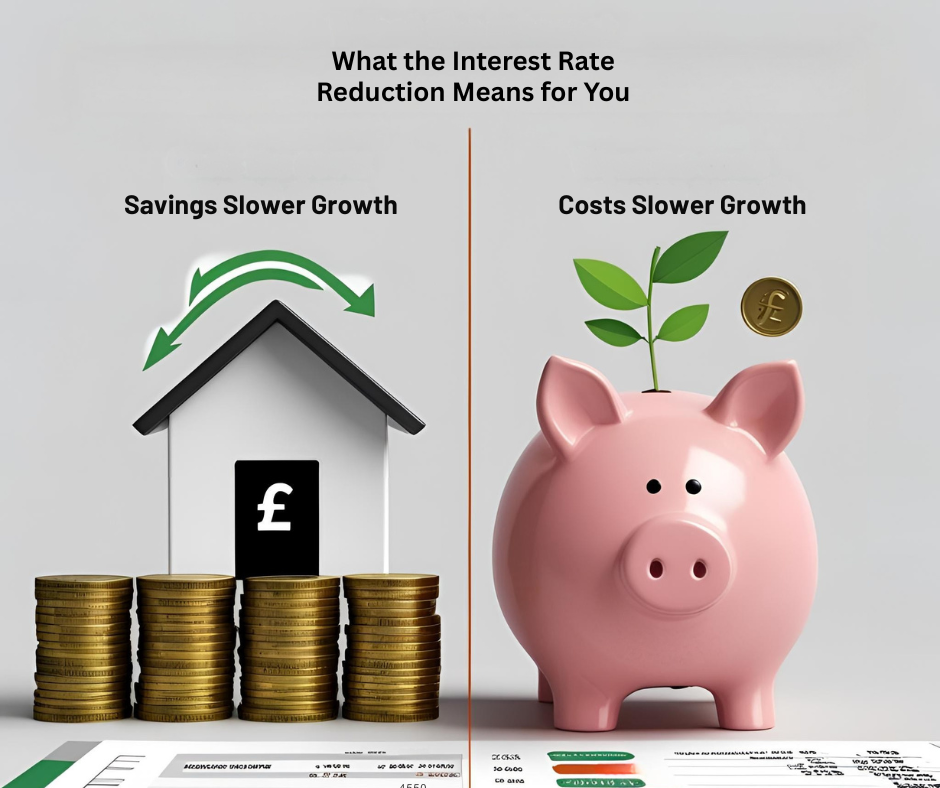
On 7 August 2025, the Bank of England reduced the base interest rate to 4.00% from 4.25%. The aim is to support the economy by making borrowing cheaper. But what does this actually mean for everyday people in the UK? Let’s break it down in simple terms. 1. Impact on Debt (Mortgages, Loans, Credit Cards) […]

From 18 November 2025, all company directors and people with significant control (PSCs) will be legally required to verify their identity under the Economic Crime and Corporate Transparency Act 2023. The mandate will kick in on each company on the day on which the company’s confirmation statement falls due. Every company representative will need to […]
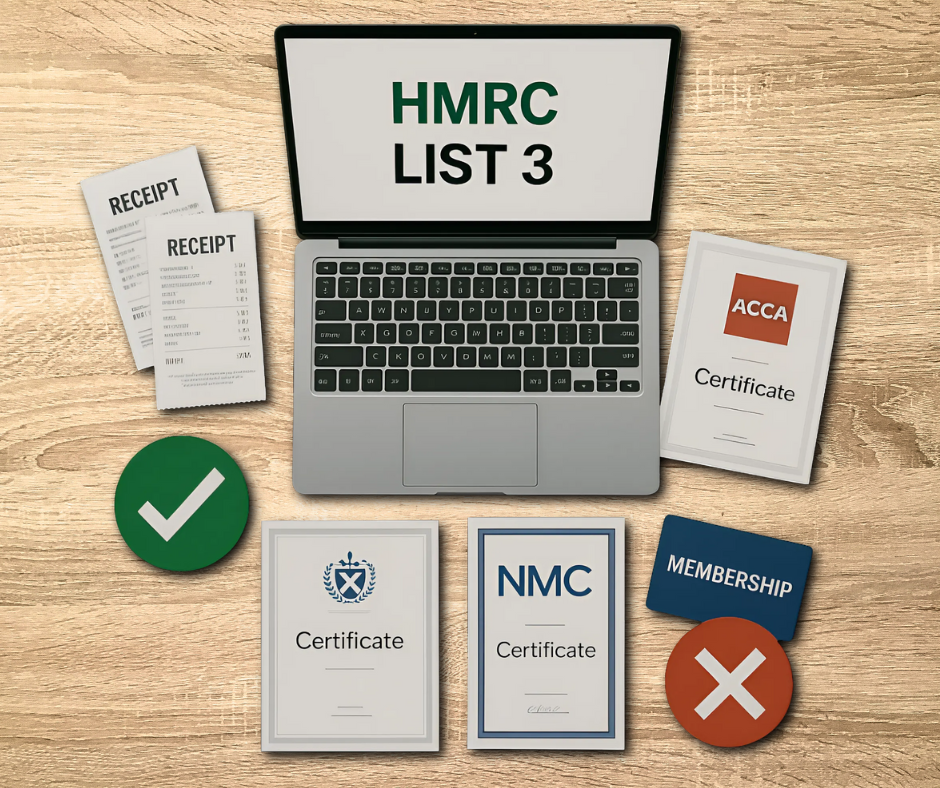
Limited companies can reimburse certain professional fees and membership subscriptions incurred by directors or employees, provided they meet specific HMRC criteria. Key conditions include: The fee or subscription must relate directly to the individual’s profession or role within the business. It must be paid to a recognised professional body included on HMRC’s official List 3 […]

Travel costs incurred wholly, exclusively, and necessarily for business purposes may be reimbursed by a company and are typically not subject to tax. Qualifying business travel includes: Trips to visit clients or suppliers Travel to temporary workplaces Attendance at business-related conferences or training events Reimbursable expenses may include: Public transport fares (train, bus, taxi, flight) […]

Business-related phone costs may be reimbursed when personal devices are used for work. To avoid tax or National Insurance implications, only the portion of phone usage that relates directly to business may be claimed. For directors or employees using personal contracts: An itemised phone bill is required to identify calls or data used for business. […]

When directors or employees carry out work duties from home, limited companies can reimburse part of the household expenses incurred as a result of business use. There are 2 main methods for reimbursing home-working expenses: Flat Rate Method: HMRC allows a company to reimburse up to £6 per week (or £26 per month) without needing […]